If you are searching for best Japanese plays for small casts, you are probably balancing artistic ambition with practical limits: a compact ensemble, manageable rehearsal logistics, and a script that still feels theatrically rich.
This guide focuses on Japanese plays that work well with 3 to 5 performers, based on available script metadata in Gikyoku Tosyokan and additional checks on English-language visibility (translation/publication/performance references). The list mixes modern classics and contemporary works, with care taken to avoid relying on just one playwright.
For every play, you will find:
- cast size and approximate runtime,
- why it works for small teams,
- practical production notes,
- and a quick note on English availability.
Note on names: Japanese proper nouns are shown with romaji + Japanese script (kanji/kana), so you can search in both English and Japanese.
Why Japanese Plays Work So Well for Small Cast Companies
Japanese theater includes strong traditions of chamber-scale drama, absurdist dialogue, and psychologically dense character writing. For small groups, this is a major advantage: even with 3–5 actors, you can stage work with high emotional stakes and clear directorial identity.
Compared with many large-ensemble repertory pieces, small-cast Japanese scripts often offer:
- high actor-to-text density (every role matters),
- flexible staging (from black box to classroom theater),
- tonal range (comedy, absurdism, social realism, memory drama),
- and strong adaptation potential for bilingual or intercultural projects.
Our Picks: Best Japanese Plays for Small Cast (3–5 Actors)
1) The Bee (THE BEE) by Hideki Noda (野田秀樹)
- Japanese title: THE BEE (ザ・ビー)
- Cast: 3 men, 1 woman (4 total)
- Runtime: approximately 80 minutes
- Why this play: This is one of the most internationally visible modern Japanese plays for compact casts. It is fast, physically charged, and built on escalating power reversals.
- What to expect: A darkly comic hostage spiral that turns everyday anxiety into theatrical pressure. The language and rhythm reward precise ensemble timing.
- English translation: Available. English-version development and international staging history are well documented (including collaboration around an English script for overseas audiences).
- 🔗 View on Gikyoku Tosyokan
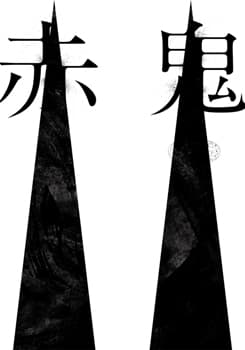
2) Red Demon (Aka Oni 赤鬼) by Hideki Noda (野田秀樹)
- Japanese title: Aka Oni (赤鬼)
- Cast: 3 men, 1 woman (4 total)
- Runtime: approximately 80 minutes
- Why this play: A compact cast piece with major thematic reach: fear of outsiders, community panic, and moral ambiguity. Excellent for companies wanting political subtext without a lecture-like script.
- What to expect: Stylized language, strong ensemble physicality, and an outsider figure that can be interpreted in many cultural contexts.
- English translation: Available. Translation/adaptation by Roger Pulvers is widely referenced, with notable English-language productions including a Young Vic run and subsequent revivals.
- 🔗 View on Gikyoku Tosyokan
3) The Little Match Girl (Matchiuri no Shōjo マッチ売りの少女) by Minoru Betsuyaku (別役実)
- Japanese title: Matchiuri no Shōjo (マッチ売りの少女)
- Cast: 2 men, 2 women (4 total)
- Runtime: approximately 90 minutes
- Why this play: If you want small-cast absurdist theater with literary depth, this is a cornerstone choice. Betsuyaku is central to Japanese absurd drama, and this work offers rich interpretive space.
- What to expect: Spare, unsettling dialogue; ironic emotional distance; and social critique embedded in seemingly simple scenes.
- English translation: Partially available in anthologies/academic contexts. The play appears in major English-language collections and scholarship, though practical script access may require library channels.
- 🔗 View on Gikyoku Tosyokan
4) Let Them Sing (Utawasetai Otoko-tachi 歌わせたい男たち) by Ai Nagai (永井愛)
- Japanese title: Utawasetai Otoko-tachi (歌わせたい男たち)
- Cast: 3 men, 2 women (5 total)
- Runtime: approximately 110 minutes
- Why this play: A strong fit for groups that want historically grounded social drama with clear conflict. The cast size remains practical while the material feels substantial.
- What to expect: Institutional pressure, public language vs private conscience, and sharply constructed scenes that suit actor-centered direction.
- English translation: Limited/partial visibility. Ai Nagai has international recognition, but this specific title may require rights inquiries and specialist networks for full English script access.
- 🔗 View on Gikyoku Tosyokan
5) Frozen Beach (Furōzun Bīchi フローズン・ビーチ) by KERA (Keralino Sandorovich ケラリーノ・サンドロヴィッチ)
- Japanese title: Furōzun Bīchi (フローズン・ビーチ)
- Cast: mainly 4 women (4 total)
- Runtime: approximately 130 minutes
- Why this play: Ideal for companies looking for female-driven ensemble writing with emotional volatility. The small cast carries a wide dramatic temperature range.
- What to expect: Memory, tension, humor, and rupture layered in an intimate yet explosive structure.
- English translation: Not widely circulated. International awareness exists through KERA’s reputation, but this title appears less commonly in accessible English editions.
- 🔗 View on Gikyoku Tosyokan
6) They Say Men Are in That Steel Tower (Sono Tettō ni Otoko-tachi wa Iru to Iu その鉄塔に男たちはいるという) by Hideo Tsuchida (土田英生)
- Japanese title: Sono Tettō ni Otoko-tachi wa Iru to Iu (その鉄塔に男たちはいるという)
- Cast: 5 men (5 total)
- Runtime: approximately 90 minutes
- Why this play: Great for all-male or male-heavy groups needing a medium-length piece with tonal shifts. It combines wartime unease with interpersonal absurdity and humor.
- What to expect: A confined setting, anxious waiting, fractured camaraderie, and moral pressure under extreme circumstances.
- English translation: Likely limited. Better known in Japanese domestic theater contexts; translation may need bespoke adaptation.
- 🔗 View on Gikyoku Tosyokan
7) Virgin Blues (Bājin Burūsu バージン・ブルース) by Yoko Oike (大池容子)
- Japanese title: Bājin Burūsu (バージン・ブルース)
- Cast: 3 men, 1 woman (4 total)
- Runtime: approximately 60 minutes
- Why this play: Excellent for festivals, studio programs, and university schedules where 60-minute works are practical. The cast is compact, and the emotional turns are actor-friendly.
- What to expect: Family revelation, comic awkwardness, and unexpectedly moving shifts in identity and kinship.
- English translation: Not widely documented. A promising candidate for new translation projects because of length and cast efficiency.
- 🔗 View on Gikyoku Tosyokan
8) Better Half (Betā Hāfu ベター・ハーフ) by Shōji Kōkami (鴻上尚史)
- Japanese title: Betā Hāfu (ベター・ハーフ)
- Cast: 2 men, 2 women (4 total)
- Runtime: approximately 120 minutes
- Why this play: This is a strong option for companies seeking relationship-centered contemporary drama with comic intelligence and identity questions.
- What to expect: Romantic entanglement, gender/identity tension, and dialogue-driven scene work that rewards nuanced performers.
- English translation: Limited circulation. Kōkami’s work has international interest, but this title may be easier to stage through adaptation than through an off-the-shelf published translation.
- 🔗 View on Gikyoku Tosyokan
9) Edaniku (Edaniku エダニク) by Takuya Yokoyama (横山拓也)
- Japanese title: Edaniku (エダニク)
- Cast: 3 men (3 total)
- Runtime: approximately 90 minutes
- Why this play: A very practical three-hander with high tension and social substance. Suitable for groups that want difficult themes and strong actor interplay without large production demands.
- What to expect: Workplace realism, ethical discomfort, and escalating conflict in a tightly controlled setting.
- English translation: Not widely available. Best approached via commissioned translation if your company prioritizes contemporary social drama.
- 🔗 View on Gikyoku Tosyokan
10) About My Mother and the Planet, and the Record of Women Orbiting Themselves (Haha to Wakusei ni Tsuite, Oyobi Jiten Suru Onna-tachi no Kiroku 母と惑星について、および自転する女たちの記録) by Ryuta Horai (蓬莱竜太)
- Japanese title: Haha to Wakusei ni Tsuite, Oyobi Jiten Suru Onna-tachi no Kiroku (母と惑星について、および自転する女たちの記録)
- Cast: 4 women (4 total)
- Runtime: approximately 150 minutes
- Why this play: For companies that want an all-female cast option with emotional breadth and intergenerational depth, this is a major candidate.
- What to expect: Grief, travel, family memory, and shifting sister dynamics, moving between humor and ache.
- English translation: Limited visibility internationally. The script is artistically rich but may need translation support for non-Japanese productions.
- 🔗 View on Gikyoku Tosyokan
How to Choose the Right Small-Cast Japanese Play
A “small cast” label alone is not enough. Use these filters before you commit.
1) Match your actor profile, not just the headcount
A 4-person cast can still be difficult if all roles demand the same age band, vocal style, or emotional register. Check whether your strongest actors can carry the script’s tonal center.
- Need high-intensity physical performance? Start with The Bee (THE BEE ザ・ビー) or Red Demon (Aka Oni 赤鬼).
- Need language-driven absurdism? Try The Little Match Girl (Matchiuri no Shōjo マッチ売りの少女).
- Need socially realistic tension? Look at Edaniku (エダニク) or Let Them Sing (Utawasetai Otoko-tachi 歌わせたい男たち).
2) Choose runtime based on your production format
For school festivals, compact rotations, or competition slots, 60–90 minutes is often safer.
- Around 60 min: Virgin Blues (Bājin Burūsu バージン・ブルース)
- Around 80–90 min: The Bee, Red Demon, Edaniku
- Longer programs (110–150 min): Let Them Sing, Better Half, About My Mother and the Planet...
3) Decide your translation strategy early
For overseas production, translation logistics can determine feasibility more than artistic preference.
- Easier starting points: titles with documented English editions or production history (especially Noda works and selected classics).
- Mid-level difficulty: scripts with academic translation traces but limited stage-ready publishing.
- Harder path but rewarding: contemporary works with no standard English edition; commission a translator and dramaturgical adapter.
4) Plan technical scope from script DNA
Even small-cast scripts can require demanding staging choices.
- Low-set / actor-forward: Edaniku, Virgin Blues
- Stylized / movement-heavy: The Bee, Red Demon
- Memory-structured, emotionally layered: Frozen Beach, About My Mother and the Planet...
5) Keep thematic diversity in your season
If you are selecting multiple pieces, avoid thematic repetition.
A balanced small-cast season might include:
- one absurdist work,
- one socio-political piece,
- one intimate family/relationship drama,
- one formally experimental text.
This keeps actors growing and audiences engaged.
English Translation & International Production Notes (Quick Reference)
Based on recent web checks and commonly cited references:
- Hideki Noda (野田秀樹) works — strongest international footprint in this list. Red Demon (Aka Oni 赤鬼) and The Bee (THE BEE ザ・ビー) are repeatedly referenced in English contexts.
- Minoru Betsuyaku (別役実) — substantial academic presence in English; practical performance scripts can be less straightforward to source than mainstream Anglo-American drama.
- Other contemporary playwrights in this list — often under-translated despite strong stage potential. This creates opportunity for festivals, universities, and translators looking for fresh repertoire.
If your company can invest in translation development, Japanese small-cast theater is still an underused repertoire source in many English-speaking circuits.
Where to Find These Scripts
- Start on Gikyoku Tosyokan for base metadata (cast size, runtime, categories, and Japanese script title).
- Check rights and publication status before rehearsal planning.
- Search both romaji and Japanese script for better discovery.
- Example: search both
Aka Oniand赤鬼.
- Example: search both
- Use institutional channels (universities, theater libraries, Japan Foundation networks, translators) for harder-to-source texts.
For many of these plays, practical success comes from a hybrid workflow: data-driven script selection first, then rights/translation development.
Practical Production Models (So You Can Actually Stage These)
One reason many companies postpone Japanese repertoire is uncertainty: “Great script, but can we really produce it with our budget and calendar?”
Here are three realistic models that work for small teams.
Model A: Black-box minimalism (lowest risk)
Best for: schools, first-time directors, short rehearsal windows.
- Set: 3–5 movable chairs, 1 table, no fixed scenic wall.
- Lighting: area-based presets only (warm, cool, isolation special).
- Sound: sparse cues; rely on actor-generated atmosphere.
- Rehearsal structure: 70% scene work, 20% transitions, 10% technical.
Good script matches from this list:
- Edaniku (エダニク)
- Virgin Blues (バージン・ブルース)
- The Little Match Girl (マッチ売りの少女)
Why it works: These plays gain power from performer focus, not expensive design.
Model B: Stylized ensemble build (medium risk)
Best for: groups with strong movement training and sound precision.
- Set: modular platforms, symbolic props, strong visual motifs.
- Lighting: cue-rich transitions to support rhythmic shifts.
- Sound: percussive or atmospheric scoring integrated with scene tempo.
- Rehearsal structure: 40% text, 40% physical composition, 20% run construction.
Good script matches:
- The Bee (THE BEE ザ・ビー)
- Red Demon (Aka Oni 赤鬼)
Why it works: Stylization amplifies the scripts’ pressure mechanics and outsider dynamics.
Model C: Contemporary realism with social edge (medium-high dramaturgical load)
Best for: university companies, community theaters with talkback culture.
- Set: lived-in interior or workplace realism.
- Lighting: realistic base with selective memory shifts.
- Sound: restrained; avoid over-scoring moral conflict.
- Rehearsal structure: 50% text analysis, 30% objective/action work, 20% rhythm and pacing.
Good script matches:
- Let Them Sing (歌わせたい男たち)
- They Say Men Are in That Steel Tower (その鉄塔に男たちはいるという)
- About My Mother and the Planet... (母と惑星について、および自転する女たちの記録)
Why it works: These texts thrive when social stakes remain specific and human, not abstract.
Rehearsal and Casting Checklist for Small-Cast Japanese Plays
Use this checklist before final script lock.
Script readiness
- Do we have a reliable Japanese text and rights contact?
- If using English, do we have a performance-ready translation (not just excerpts)?
- Is the runtime suitable for our slot (festival, school, repertory, ticketed run)?
Cast reality
- Are role demands aligned with our actor pool (age range, style, language handling)?
- Can we double if someone falls ill, or is each role irreplaceable?
- Does the ensemble chemistry fit the script’s pressure points (conflict, intimacy, absurdity)?
Production capacity
- Can we stage this with our actual tech, not our ideal tech?
- Is costume complexity manageable with our budget?
- Are there any cultural details requiring dramaturgical framing for local audiences?
Audience strategy
- Are we marketing by playwright name, theme, or practical hook (“small-cast masterwork”)?
- Do we need a short program glossary for cultural context?
- Should we plan a post-show discussion for socially intense pieces?
If you can check most boxes honestly, your production risk drops dramatically.
FAQ: Common Questions from Directors and Teachers
“Can we cast regardless of gender if the original metadata says 3 men / 1 woman?”
Often yes—especially in contemporary Japanese theater contexts where reinterpretation is common. But confirm rights constraints and ensure the adaptation is conceptually coherent, not just logistical.
“Do we need to preserve Japanese setting and references exactly?”
Not always. You can keep the Japanese social architecture while adjusting explanatory context for local audiences. The key is consistency: either commit to cultural specificity, or intentionally frame a transposed adaptation.
“What is the easiest script in this list for a first Japanese production?”
For many teams, Virgin Blues (バージン・ブルース) or Edaniku (エダニク) are practical entry points due to cast compactness and relatively direct scene progression.
“What is the most internationally proven?”
Among these ten, Noda Hideki (野田秀樹) titles—especially The Bee and Red Demon—have the strongest visible record in English-language discourse and staging.
“How many scripts should we read before deciding?”
For small-cast projects, read at least three contrasting options:
- one stylistically bold script,
- one realistic/social script,
- one lower-risk rehearsal script.
Then decide based on your actors and schedule, not just literary preference.
Final Takeaway
If you need high-quality Japanese plays for 3–5 actors, you do not have to compromise on artistic depth. Small-cast Japanese scripts can deliver urgency, poetic language, social critique, and emotional complexity without requiring large ensembles.
A good first path is:
- pick one internationally visible script (for easier onboarding),
- pair it with one less-translated contemporary work,
- build translation/adaptation capacity as part of your company’s long-term identity.
That approach gives you both feasibility and artistic distinctiveness—exactly what many small companies are looking for.
この記事で紹介した戯曲

Written by
戯曲図書館 編集部
演劇経験者が運営する戯曲検索サービス「戯曲図書館」の編集チームです。 脚本選びのノウハウ、演劇業界の最新情報、公演レポートなどを発信しています。
関連記事
If You Like Long Day's Journey Into Night (2026 Guide): 5 Japanese Plays About Family Secrets, Blame, and the Past That Won't Stay Buried
Love Long Day's Journey Into Night? Read 5 Japanese plays about family secrets, inherited grief, and the quiet violence of a past that refuses to stay buried.
2026-10-02
Best Japanese Plays for Staged Readings (2026): 8 Scripts That Sound Alive in the Room
A 2026 guide to 8 Japanese plays for staged readings, with cast size, runtime, and translation-friendly notes for directors and dramaturgs.
2026-09-02
Play Spotlight 2026: Why Hogiuta (寿歌) Still Feels Urgent on Global Stages
A 2026 English spotlight on Hogiuta, So Kitamura's small-cast post-apocalyptic Japanese play of humor, music, and survival.
2026-08-31
If You Like The Crucible (2026 Guide): 4 Japanese Plays About Scapegoats, Panic, and Public Obedience
Love The Crucible? Read 4 Japanese plays about fear, scapegoats, conformity, and the cost of refusing the crowd.
2026-08-21