The best Japanese plays for dark comedy lovers are the ones that make you laugh first, then force you to notice the cruelty, loneliness, fear, or institutional absurdity hiding inside the joke.
If that is the theatrical feeling you chase, Japanese drama has a lot to offer.
English-language introductions to Japanese theater often lean toward realism, historical classics, or internationally famous titles. Those matter. But they can also hide another major pleasure in the repertoire: plays that weaponize comedy without becoming lightweight. In these scripts, humor is not a break from seriousness. Humor is the delivery system for seriousness.
That matters whether you are:
- a reader looking for stranger, sharper dramatic writing,
- a teacher building a syllabus around tragicomedy or absurdism,
- a director choosing a script that can keep audiences laughing and uneasy at the same time,
- or an actor who wants roles built on tonal instability instead of one-note angst.
This 2026 guide focuses on 8 Japanese plays that reward that appetite. Some are compact chamber works. Some are larger-cast absurdist machines. Some are socially grounded comedies that gradually reveal their violence. All of them understand the basic dark-comic rule:
laughter is not the opposite of dread. It is often how dread enters the room.
Names appear in Romanization + Japanese for searchability.
Quick Facts
| Item | Recommendation |
|---|---|
| Best first pick for pure pressure-cooker dark comedy | THE BEE (ザ・ビー) |
| Best pick for women-led corrosive comedy | Frozen Beach (フローズン・ビーチ) |
| Best pick for postwar absurdist readers | The Little Match Girl (マッチ売りの少女) or The Elephant (象) |
| Best pick for socially grounded institutional comedy | The Men Who Wanted to Sing (歌わせたい男たち) |
| Best pick for actor-centered meta-theater with a bitter edge | The Dressing Room (楽屋) |
| Best use case for this list | reading groups, university courses, staged readings, season planning |
| Related English reading on Japanese Play Library | Best Japanese Plays in English (2026), How to Choose Japanese Plays for Staged Readings in English (2026) |
What counts as “dark comedy” here?
For this list, I am not using “dark comedy” as a narrow genre label. I am using it as a performance effect.
A play belongs here if it does at least two of these things:
- makes audiences laugh while exposing something ethically ugly,
- turns ordinary language into a mechanism of pressure,
- lets social rules become ridiculous before they become frightening,
- uses comic rhythm to sharpen, not soften, violence or grief,
- leaves you uncertain whether to laugh, wince, or feel implicated.
That means this guide includes more than one lineage:
- postwar absurdist theater,
- social comedy,
- chamber suspense comedy,
- outsider allegory,
- and meta-theatrical comedy haunted by failure and repetition.
It is not a list of “funniest” Japanese plays. It is a list of plays where comedy becomes corrosive, revealing, or unstable in especially productive ways.
1) THE BEE (Za Bii, ザ・ビー) — Hideki Noda (野田秀樹) / Colin Teevan
- Japanese Play Library: THE BEE
- Cast: 3 men, 1 woman
- Runtime: about 80 minutes
- Why start here: It is one of the clearest Japanese examples of dark comedy as escalation engine.
If you want a play that turns middle-class panic into theatrical cruelty at terrifying speed, start here.
Based on a Yasutaka Tsutsui story and developed through an English-language collaboration, THE BEE begins with an ordinary office worker caught in a hostage nightmare. But “ordinary” does not survive long. The play rapidly transforms revenge, humiliation, media logic, family anxiety, and masculine performance into a comic structure so sharp that audiences often laugh before realizing how far the violence has gone.
That is the key to its dark-comic force. The play does not pause for moral commentary. It keeps pushing. Role reversal becomes the joke, and then the trap. Language becomes clipped, rhythmic, performative, and increasingly monstrous.
Why it matters for dark comedy lovers:
- It proves that black comedy can be brutally fast rather than dry or leisurely.
- It uses repetition and reversal the way great farce does, but in service of horror.
- It gives actors a real score to play, not just “be intense.”
For directors, it is also deeply practical: a compact cast, a manageable runtime, and a script that can feel huge in a black box if the ensemble rhythm is exact.
If your taste runs toward Martin McDonagh, Caryl Churchill at her most vicious, or Kafka filtered through public spectacle, THE BEE is a superb first Japanese read.
2) Frozen Beach (Furozun Bichi, フローズン・ビーチ) — Keralino Sandorovich / KERA (ケラリーノ・サンドロヴィッチ)
- Japanese Play Library: Frozen Beach
- Cast: 4 women
- Runtime: about 130 minutes
- Why start here: It is one of the strongest Japanese plays for readers who like their comedy elegant, poisonous, and emotionally unstable.
KERA’s Frozen Beach is often described as suspense comedy, and that description is accurate but incomplete. Yes, it is witty. Yes, it is structurally clever. Yes, it knows how to turn secrets, resentment, and memory into delicious stage tension. But what makes it stick is the way it keeps exposing the emotional damage underneath verbal control.
This is a play full of women who are intelligent, strategic, damaged, funny, manipulative, and lonely. No one gets reduced to a type. No one is protected by sentimentality. The comedy comes from dissonance: what people say versus what they want, what they remember versus what they hide, and what survival has already deformed in them.
Dark comedy often fails when the writer only loves irony. KERA avoids that trap. Frozen Beach is ironic, but it is also genuinely interested in pain, class texture, and the afterlife of buried violence.
That is why it is such a strong recommendation for:
- women-led ensembles,
- advanced acting groups,
- readers who love tonal shifts from wit to dread,
- and anyone who wants a Japanese play that feels socially alert without becoming didactic.
If you enjoy theater where the laugh line and the moral bruise arrive almost together, Frozen Beach is essential.
3) The Men Who Wanted to Sing (Utawasetai Otokotachi, 歌わせたい男たち) — Ai Nagai (永井愛)
- Japanese Play Library: The Men Who Wanted to Sing
- Cast: 3 men, 2 women
- Runtime: about 110 minutes
- Why start here: It shows how dark comedy can emerge from institutional pressure rather than grotesque spectacle.
Ai Nagai is one of the great social comedy writers in modern Japanese theater, and this play is one of the strongest examples of why.
Set around the politics of singing the national anthem at a school graduation ceremony, The Men Who Wanted to Sing turns an educational workplace into a battlefield of obedience, conscience, career anxiety, and public ritual. The premise sounds specific, even local. The mechanism is much wider: institutions demand performance, people rationalize compliance, and comedy exposes the gap between civic language and private fear.
What makes the play dark rather than merely topical is the way the humor keeps tightening the screws. People say reasonable things. They negotiate. They explain themselves. They try to appear moderate. But every apparently sensible exchange reveals a system already structured by coercion.
This is the kind of play that theater makers often underestimate because it does not advertise itself as wild. In fact, it is one of the sharpest pieces on this list because it understands a core truth of dark comedy:
bureaucratic politeness can be funnier, and more frightening, than open villainy.
If you like political theater with clear conflict, playable scenes, and genuine comic intelligence, this is one of the best Japanese scripts to read next.
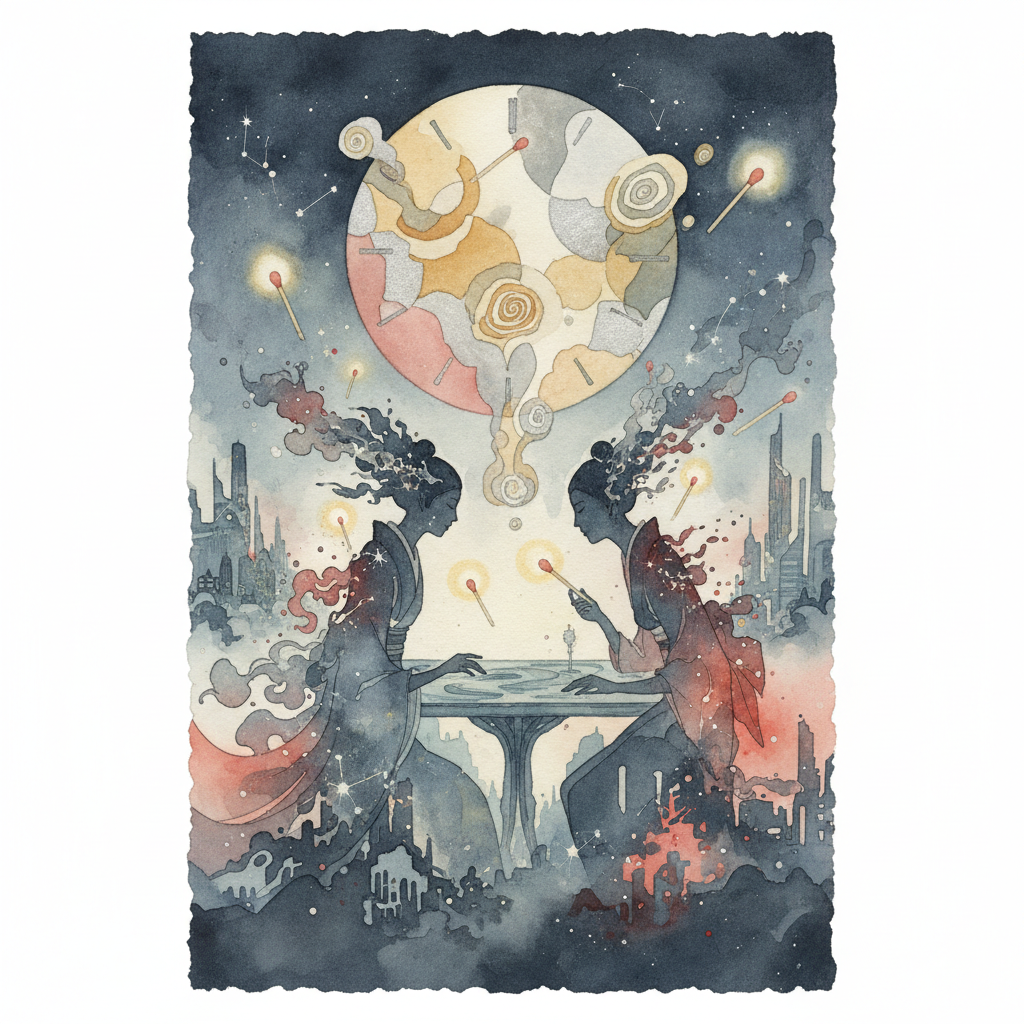
4) The Little Match Girl (Matchiuri no Shojo, マッチ売りの少女) — Minoru Betsuyaku (別役実)
- Japanese Play Library: The Little Match Girl
- Cast: 2 men, 2 women
- Runtime: about 90 minutes
- Why start here: It is a compact gateway into Japanese absurdist dark comedy.
Minoru Betsuyaku is foundational if you care about Japanese theater where cruelty hides inside calm surfaces. The Little Match Girl is one of the clearest places to see that method at work.
Rather than treating the fairy-tale source as an emotional shortcut, Betsuyaku strips away comfort and lets social indifference become the atmosphere itself. The result is not parody in a simple sense. It is de-familiarization through deadpan. You recognize the material, but the moral weather has changed.
This is why the play works so well for dark comedy readers:
- pity becomes unstable,
- innocence becomes theatrically dangerous,
- sentiment turns into accusation,
- and the funniest moments often arrive through tonal refusal rather than punch lines.
In many English-speaking contexts, dark comedy gets associated with aggressive verbal fireworks. Betsuyaku offers a different model. He writes quieter comedy, but the quietness is part of the violence. Pauses, repetition, and stripped-down conversation create a world where people keep speaking even though the ethical ground beneath speech has already eroded.
If you want a Japanese play that sits productively beside Beckett, Ionesco, or late Pinter without feeling derivative of any of them, this is a very smart place to begin.
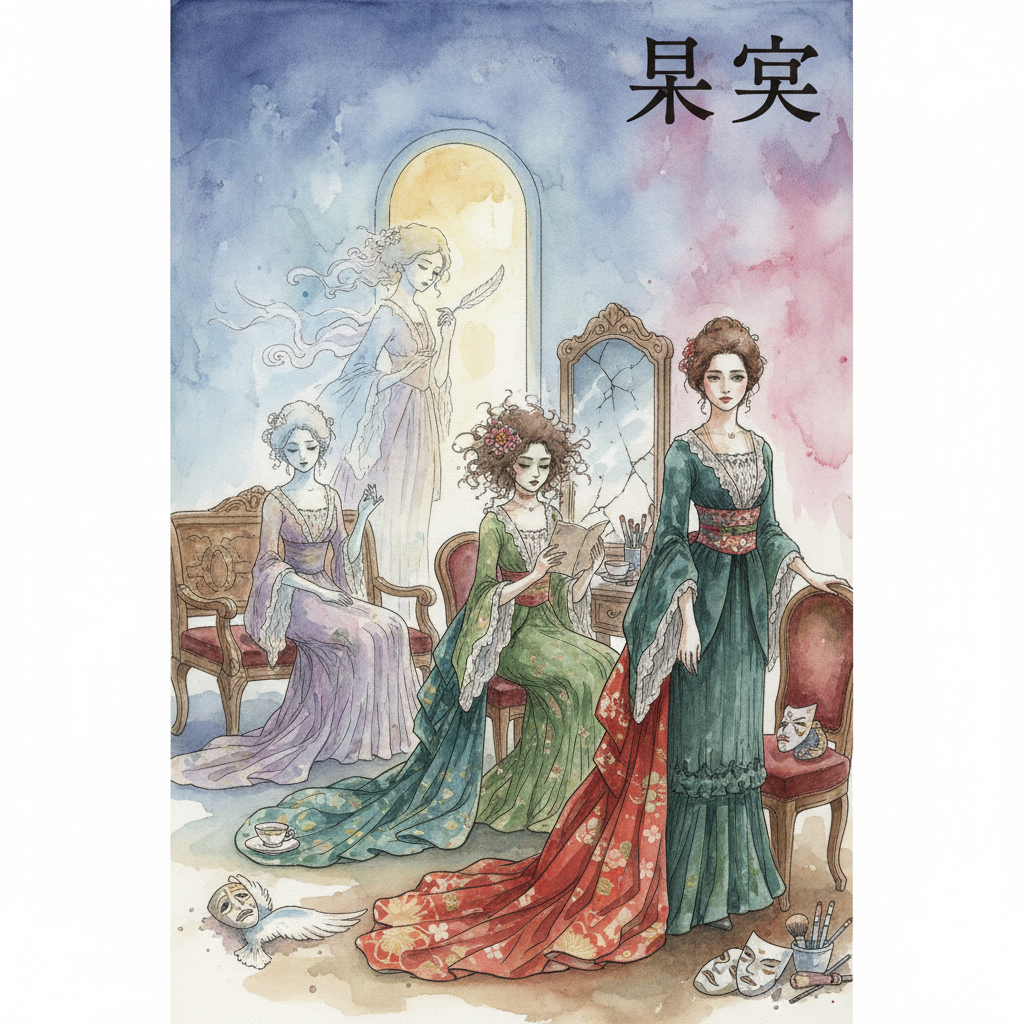
5) The Dressing Room (Gakuya, 楽屋〜流れ去るものはやがてなつかしき〜) — Kunio Shimizu (清水邦夫)
- Japanese Play Library: The Dressing Room
- Cast: 4
- Runtime: about 80 minutes
- Why start here: It offers one of the richest actor-centered dark comedies in the Japanese repertoire.
At first glance, The Dressing Room may not look like a dark comedy pick. It is ghostly, theatrical, repetitive, and melancholy. But that is exactly why it belongs here.
Four actresses wait in a dressing room haunted by The Seagull, memory, vanity, missed chances, and the exhausting machinery of theater itself. The play is funny because performers recognize the rituals immediately: ambition, insecurity, hierarchy, repetition, and the half-ridiculous faith that theater can still save a life that theater has already consumed.
But the comedy never stays warm for long. Every joke carries exhaustion. Every repeated gesture hints at entrapment. Every comic theatrical superstition opens onto failure, longing, or death.
That tonal blend makes the play ideal for:
- actor training programs,
- women-centered ensembles,
- readers who love Pirandello, Chekhov-adjacent meta-theater, or haunted rehearsal-room writing,
- and directors who want a script that can feel funny, eerie, and sad at once.
Dark comedy does not always need social satire in a broad public sense. Sometimes it works by showing people trapped inside a profession, a role, or a dream they can no longer escape. The Dressing Room does exactly that, and beautifully.
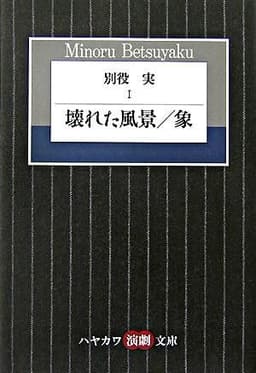
6) The Elephant (Zo, 象) — Minoru Betsuyaku (別役実)
- Japanese Play Library: The Elephant
- Cast: 10
- Runtime: about 150 minutes
- Why start here: It is one of the most important Japanese plays if you want dark comedy connected to postwar moral exhaustion.
If The Little Match Girl is a compact doorway into Betsuyaku, The Elephant is the major room beyond it.
This play is frequently discussed through absurdism, and rightly so. But “absurd” can be too weak a word if it only suggests strangeness. What Betsuyaku does here is more specific. He stages a social world where historically marked suffering exists in plain sight, yet people keep reorganizing language and behavior to make that suffering bearable, manageable, or ignorable. That is where the comedy turns black.
The result is disturbing in a very precise way. Characters speak as if normal social logic still applies. Their rhythms can be funny. Their evasions can be funny. Their effort to preserve decorum can be funny. Yet the audience gradually realizes that decorum itself is part of the horror.
This is one of the strongest Japanese plays for:
- courses on postwar theater,
- reading groups interested in non-European absurdism,
- minimalist productions willing to trust language and pressure,
- and audiences who prefer comedy that leaves an ethical aftertaste rather than a neat release.
It is not the easiest or shortest title on this list. But if you want the historical depth behind Japanese darkly comic writing, The Elephant is core repertoire.
Related reading: Playwright Profile: Minoru Betsuyaku (別役実) in 2026
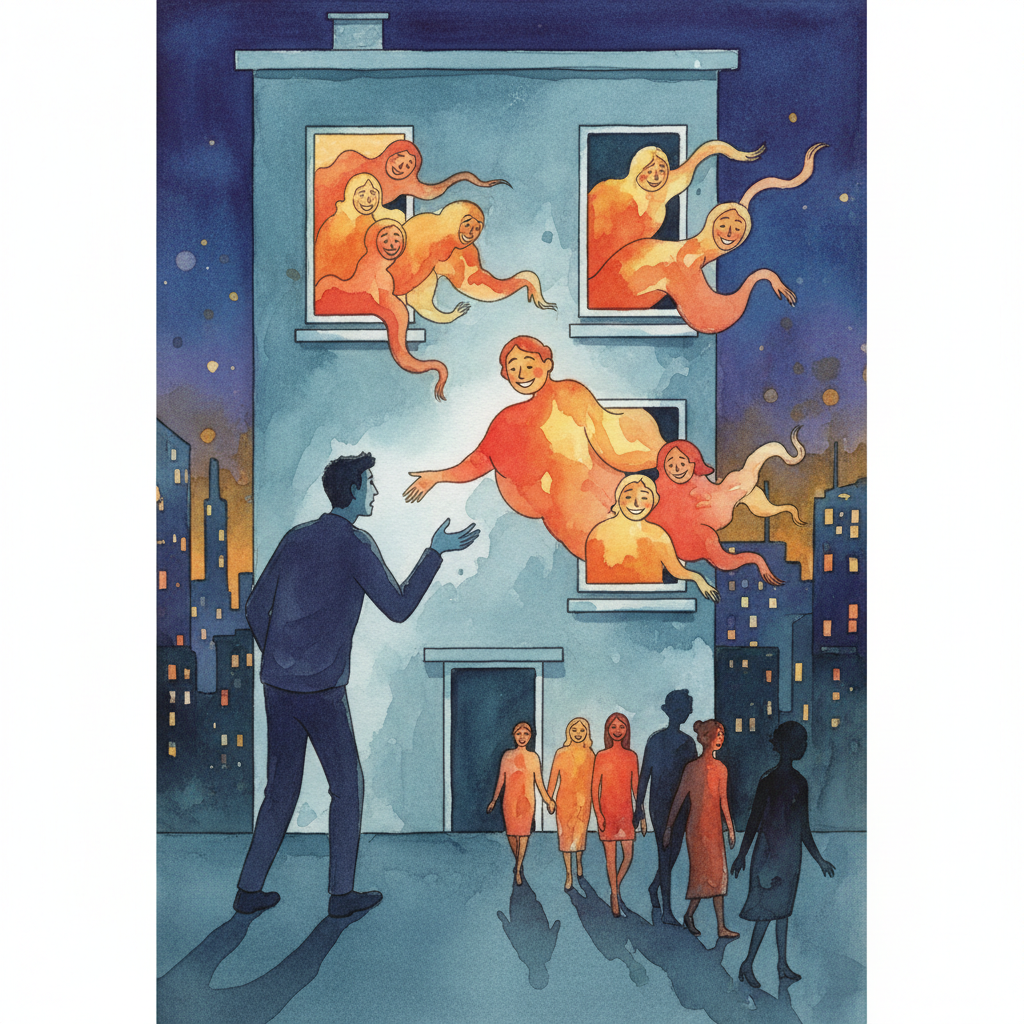
7) Tomodachi (Friends, 友達) — Kobo Abe (安部公房)
- Japanese Play Library: Tomodachi / Friends
- Cast: 15
- Runtime: about 130 minutes
- Why start here: It is one of the great Japanese examples of comic intrusion turning into existential terror.
If you love the branch of dark comedy where politeness itself becomes sadistic, Tomodachi is a gift.
A man living alone is visited by a family that insists on calling itself his “friends.” They enter, remain, rearrange his space, override his refusal, and slowly destroy the basic conditions of private life. The premise is absurd enough to be funny almost immediately. That is the point. Abe uses comic excess to make coercion legible before it becomes unbearable.
This is one of the most useful plays on the list for showing that dark comedy does not require explicit gore or overt cynicism. Sometimes all you need is relentless civility and the absolute collapse of boundaries.
Why it works so well:
- repetition becomes invasion,
- friendliness becomes control,
- collectivity becomes nightmare,
- and laughter becomes the audience’s first recognition that something morally impossible is being normalized.
For theater makers, Tomodachi is especially exciting because it allows staging choices around swarm movement, crowd rhythm, and choreographed pressure. For readers, it is a masterclass in how absurd social situations can feel more realistic than realistic drama when they capture the hidden logic of everyday conformity.
If your taste leans toward Kafka, Ionesco, or social comedies where “help” becomes domination, this is one of the sharpest Japanese plays you can read.
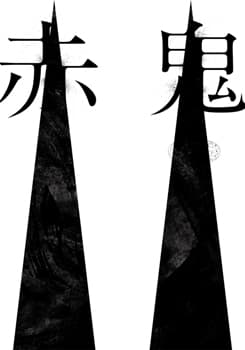
8) Red Demon (Aka Oni, 赤鬼) — Hideki Noda (野田秀樹)
- Japanese Play Library: Red Demon
- Cast: 3 men, 1 woman
- Runtime: about 80 minutes
- Why end here: It shows how outsider allegory can become savage comic theater without losing emotional force.
Red Demon is often introduced through its themes of otherness, fear, and exclusion, and that is fair. But it should also be read as a darkly comic machine.
A stranger washes ashore. A village decides he is monstrous. The community reacts through projection, panic, fantasy, cruelty, and performative certainty. That structure is politically legible almost anywhere, which is one reason the play travels so well in English. But its force does not depend on topical recognition alone. Noda understands that group fear is often ridiculous before it becomes lethal.
That is why the play belongs on this list. It lets audiences laugh at communal stupidity, nervous over-interpretation, and theatrical exaggeration. Then it reveals the cost of those reflexes.
Compared with THE BEE, Red Demon is less urban and less pressure-cooker in form. Compared with Betsuyaku, it is more physically vivid and fable-like. Compared with Nagai, it is less procedural and more archetypal. What it shares with all of them is a commitment to comedy that does not excuse the violence it stages.
For many readers, Red Demon is the best all-purpose recommendation on this page:
- compact cast,
- manageable runtime,
- clear dramatic engine,
- real emotional stakes,
- and strong crossover value for international directors and classrooms.
If you only read one more play after THE BEE, this is a very smart choice.
Comparison Table: Which kind of dark comedy do you want?
| Play | Cast | Runtime | Dark-comic mode | Best for |
|---|---|---|---|---|
| THE BEE | 4 | ~80 min | escalation, cruelty, reversal | compact high-intensity productions |
| Frozen Beach | 4 | ~130 min | suspense comedy, corrosive intimacy | advanced women-led ensembles |
| The Men Who Wanted to Sing | 5 | ~110 min | institutional satire, social comedy | political theater and classrooms |
| The Little Match Girl | 4 | ~90 min | deadpan absurdism, anti-sentiment | readers new to Betsuyaku |
| The Dressing Room | 4 | ~80 min | meta-theater, repetition, haunted wit | actor training and staged readings |
| The Elephant | 10 | ~150 min | postwar absurdism, moral exhaustion | serious study and ambitious ensembles |
| Tomodachi | 15 | ~130 min | invasive civility, collective nightmare | large-cast experimental groups |
| Red Demon | 4 | ~80 min | outsider allegory, communal panic | directors needing a portable, forceful script |
Where should dark comedy readers start first?
If you only want three starting points, I would recommend this sequence:
1. THE BEE
Read this first if you want to feel the full speed of Japanese dark comedy in a compact, actor-driven form.
2. The Men Who Wanted to Sing
Read this next if you want proof that bureaucratic realism can be just as darkly comic as overt absurdism.
3. The Little Match Girl
Read this when you want to move into the quieter, colder, more ethically eroded branch of Japanese black comedy.
Then branch by taste:
- want more women-led volatility? -> Frozen Beach
- want more theater-haunted wit? -> The Dressing Room
- want more historical absurdism? -> The Elephant
- want more collective nightmare? -> Tomodachi
- want more outsider fable? -> Red Demon
FAQ
What are the best Japanese dark comedy plays to start with?
A strong 2026 starter set is THE BEE, The Men Who Wanted to Sing, The Little Match Girl, and Red Demon. Those four show very different kinds of Japanese dark comedy without requiring huge casts or highly specialized background knowledge.
Which Japanese dark comedy is easiest to stage?
For many companies, THE BEE, Red Demon, and The Dressing Room are the safest starting points because they combine compact casts with clear theatrical identities.
Are Japanese dark comedy plays mostly absurdist?
No. Some are, especially Betsuyaku’s work. But Japanese dark comedy also includes social comedy, meta-theater, suspense comedy, and allegorical ensemble drama.
Which Japanese play on this list is best for women-led casts?
Frozen Beach and The Dressing Room are especially strong choices, depending on whether you want sharper social violence or more haunted theatrical self-awareness.
Which play is best for classroom use?
The Men Who Wanted to Sing is especially useful in classrooms because its institutional conflict is easy to summarize while its politics and comic mechanisms remain rich for discussion.
Final takeaway
The quickest mistake in dark comedy is to treat it like a flavor rather than a structure. The Japanese plays above are valuable because they understand structure. They know exactly how laughter can normalize cruelty, expose fear, disguise shame, or keep a broken social order moving for one more scene.
If you want the most balanced first trio, start with THE BEE, The Men Who Wanted to Sing, and The Little Match Girl.
That set gives you three major doors into Japanese dark comedy: high-pressure theatrical brutality, socially grounded institutional satire, and quiet postwar absurdism. After that, the rest of the map becomes much easier to read.
Sources
- Performing Arts Network Japan, Hideki Noda / Colin Teevan, THE BEE (English-language development and premiere context): https://performingarts.jpf.go.jp/en/article/6283/
- Performing Arts Network Japan, Minoru Betsuyaku profile (Betsuyaku’s place in Japanese absurd drama and major works): https://performingarts.jpf.go.jp/en/article/6909/
- Performing Arts Network Japan, Ai Nagai, Utawasetai Otokotachi (Men Who Want Us to Sing): https://performingarts.jpf.go.jp/en/article/6247/
- Performing Arts Network Japan, Keralino Sandorovich, Frozen Beach: https://performingarts.jpf.go.jp/en/article/6251/
- Bloomsbury, Red Demon (English edition and production context): https://www.bloomsbury.com/uk/red-demon-9781840023572/
この記事で紹介した戯曲

Written by
戯曲図書館 編集部
演劇経験者が運営する戯曲検索サービス「戯曲図書館」の編集チームです。 脚本選びのノウハウ、演劇業界の最新情報、公演レポートなどを発信しています。
関連記事
Best Japanese Plays for Staged Readings (2026): 8 Scripts That Sound Alive in the Room
A 2026 guide to 8 Japanese plays for staged readings, with cast size, runtime, and translation-friendly notes for directors and dramaturgs.
2026-09-02
Play Spotlight 2026: Tomodachi (Friends, 友達) by Kobo Abe (安部公房)
A 2026 English spotlight on Tomodachi, Kobo Abe's invasive dark comedy about loneliness, conformity, and kindness as violence.
2026-08-24
If You Like The Crucible (2026 Guide): 4 Japanese Plays About Scapegoats, Panic, and Public Obedience
Love The Crucible? Read 4 Japanese plays about fear, scapegoats, conformity, and the cost of refusing the crowd.
2026-08-21
Best Japanese Plays for Low-Budget Productions (2026): 8 Scripts With Minimal Set Demands
A practical 2026 guide to 8 Japanese plays for low-budget productions, with cast size, runtime, and staging notes for small theaters, schools, and readings.
2026-08-19