
Japanese theater vocabulary is the set of practical words that helps international visitors understand what kind of performance they are seeing, how to buy tickets, and how to behave in the venue without stress.
If you can learn just 25 terms before your trip, Japanese theater stops feeling like an opaque system and starts feeling like a scene you can actually enter.
This guide focuses on words that are useful in real life, not textbook terminology. It is for travelers, theater-makers, students, and readers who want to explore Japanese Play Library more confidently in English.
Quick Facts (2026)
| Item | Practical answer |
|---|---|
| Best use of this guide | Learn the minimum vocabulary needed for Tokyo theater-going |
| Most useful first 5 terms | kabuki, shingeki, box office, captions, day ticket |
| Best term for budget travelers | single-act ticket / day ticket |
| Best term for play readers | shingeki |
| Best term for traditional theater beginners | noh, kabuki, bunraku |
| Most important venue habit | Know whether your ticket is online-only, pickup at box office, or convenience-store collection |
| Best follow-up guide | How to Buy Theater Tickets in Tokyo (2026) |
Who this guide is for
- International visitors planning one or two theater nights in Japan
- Directors, actors, dramaturgs, and teachers researching Japanese stage culture
- Readers who want to understand the categories used in Japanese theater conversations
- Travelers who do not read Japanese fluently but still want to book and enjoy performances
Why vocabulary matters more than people expect
Many first-time visitors think the hard part is finding a show. Usually, the harder part is decoding the words around the show.
If you do not know the difference between kabuki and shingeki, or between a day ticket and a standard ticket, you can end up choosing the wrong event, misunderstanding the audience experience, or missing a cheaper and easier entry route.
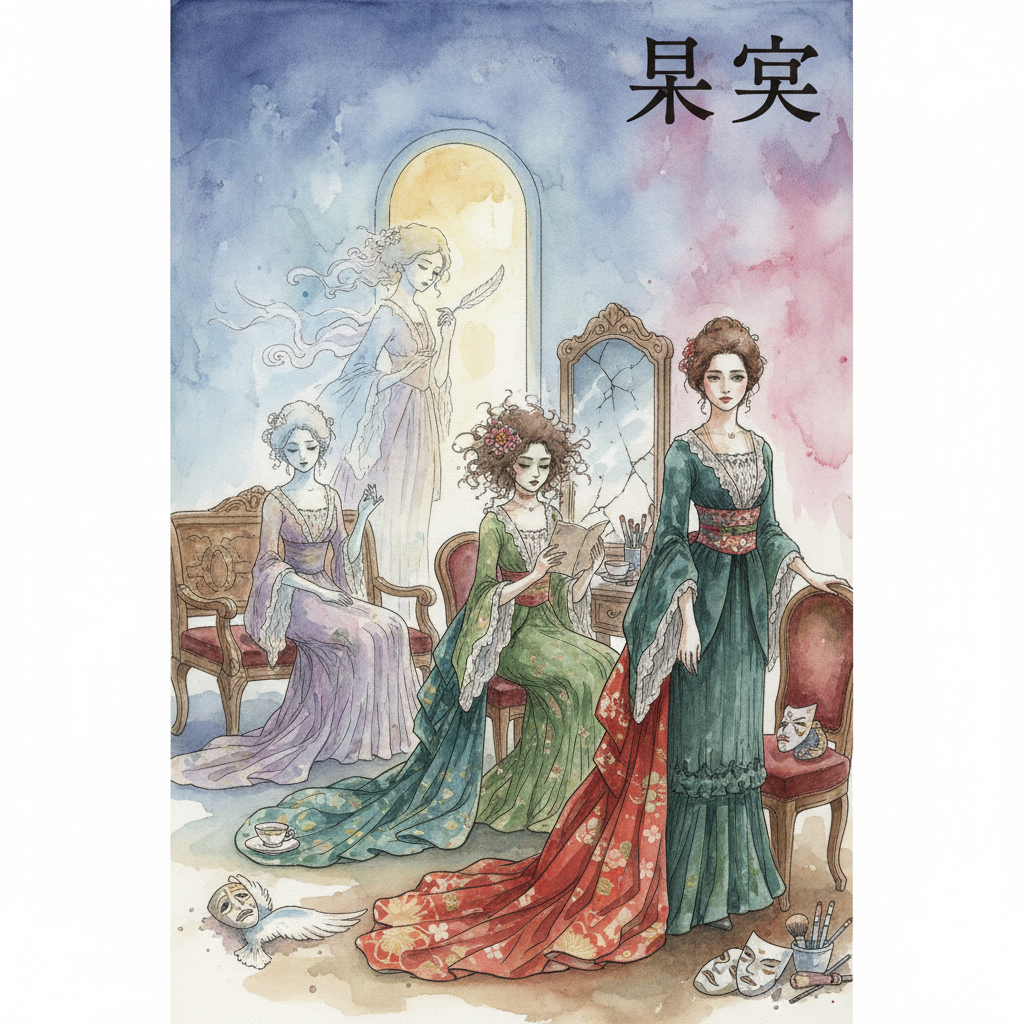
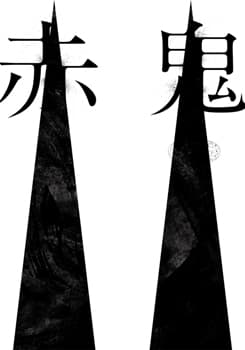
Vocabulary also helps you read Japanese Play Library more effectively. When you understand the language around form, casting, venue culture, and ticketing, summaries of plays such as Tokyo Notes (東京ノート), The Bee (ザ・ビー), The Dressing Room (楽屋), and Aka Oni / Red Demon (赤鬼) become much more meaningful.
The 25 essential terms
1) Engeki (演劇)
Meaning: theater, stage drama, or theatrical performance in the broadest sense.
This is the umbrella word. If you see a website, poster, or article using engeki, it usually means theater in general rather than one specific traditional form.
When it helps: When you are scanning event calendars or reading venue descriptions.
Practical translation: “theater” or “drama.”
2) Gikyoku (戯曲)
Meaning: a play text or dramatic script.
This matters because Japanese Play Library is centered on plays as texts, not only performances. If you are a director, translator, or teacher, this word is one of the most useful bridges between reading culture and live performance culture.
When it helps: When searching for scripts, summaries, or playwright-related material.
3) Shingeki (新劇)
Meaning: “new drama,” usually modern Japanese theater influenced by Western realism and modern staging.
If you like Chekhov, Ibsen, Miller, Pinter, or text-centered rehearsal rooms, this is one of the most important Japanese terms to know. Shingeki is not the whole contemporary scene, but it is a major reference point for modern Japanese dramatic culture.
Why visitors should care: If you want script-driven work rather than a purely traditional form, start here.
For a deeper primer, pair this guide with Understanding Shingeki (2026).
4) Shōgekijō / Shogekijo (小劇場)
Meaning: small theater or small-theater scene.
This word often points to intimate venues, compact seating, and contemporary companies. In Tokyo, Shimokitazawa is especially associated with this ecosystem.
Why it matters: A shogekijo production often feels very different from a large prestige venue. Expect more proximity, less formal infrastructure, and often a stronger sense of local theater culture.
5) Kabuki (歌舞伎)
Meaning: the major classical Japanese theater form known for stylized acting, music, costume, and codified movement.
For many international visitors, kabuki is the most visible entry point into traditional Japanese theater. According to official KABUKI WEB guidance, single-act seats are often available at Kabukiza, which makes kabuki more accessible for first-time visitors with limited time.
Why it matters: If you see “kabuki,” expect a different rhythm, visual language, and audience expectation than a modern straight play.
6) Noh / Nō (能)
Meaning: classical masked theater with highly formalized movement, chant, and musical structure.
Noh rewards patience and attention. It is slower, more concentrated, and more symbolic than many visitors expect.
Why it matters: If you want to encounter Japanese performance history directly, this is essential vocabulary. If you expect fast-paced realism, know in advance that noh is built on a very different dramatic clock.
7) Bunraku (文楽)
Meaning: classical Japanese puppet theater.
Bunraku often surprises first-time visitors because it combines puppetry, narration, and music into a highly sophisticated dramatic form.
Why it matters: Travelers sometimes assume puppet theater means children’s entertainment. In Japan, bunraku is a major classical art form.
8) Kyōgen / Kyogen (狂言)
Meaning: comic theater traditionally associated with noh programs.
Kyogen is useful vocabulary because it reminds visitors that classical Japanese performance is not only solemn or tragic. Comic timing, satire, and social play have deep roots too.
9) Shinpa (新派)
Meaning: a historical theater genre positioned between older forms and modern theater.
You do not need to master the full history before a trip, but recognizing the word helps when reading programs and articles about Japanese stage transitions.
Use it as a clue: It often signals a performance tradition that is neither purely kabuki nor purely contemporary realism.
10) Matinee / Hiru no kōen (昼の公演)
Meaning: daytime performance.
Japanese ticketing pages may separate performances by time block rather than by saying “matinee” in the same way English-language venues do. Knowing that kōen (公演) means performance and hiru (昼) means daytime helps you read schedules more calmly.
Why it matters: On travel days, time of day can matter more than genre.
11) Kōen (公演)
Meaning: performance, run, or staged presentation.
This is one of the most practical words you will encounter on schedules, venue pages, and posters.
Why it matters: If you know this one term, you can decode a lot of theater websites much faster.
12) Seki (席)
Meaning: seat.
This seems basic, but it matters because many Japanese ticketing systems describe availability and pricing by seat type, seat class, or restricted-view seat rather than by a flexible seating map.
Use it for: understanding seat categories, pickup instructions, and venue diagrams.
13) Z-seat / Z seki
Meaning: a budget or restricted-view day-ticket category used at some venues, especially New National Theatre, Tokyo.
According to the English ticket page for NNTT, Z seats are day tickets, first-come first-served, restricted-view, and priced at ¥1,650 in the current season, rising to ¥1,980 from the 2026/2027 season.
Why it matters: This is exactly the kind of venue-specific word that can save travelers money.
14) Day ticket
Meaning: a ticket sold for the day of the performance, often limited in number and rules.
Day tickets are extremely useful vocabulary because they are often the best backup plan when your schedule is flexible or major shows look sold out online.
Important nuance: A day ticket is not always the same as a last-minute discount. Rules vary by venue.
15) Single-act ticket / hitomaku mi (一幕見)
Meaning: a ticket that lets you see one act or selected part of a kabuki program.
KABUKI WEB describes single-act seats as an affordable, shorter way for novices, experts, and tourists to enjoy kabuki. That makes this term one of the most practical traditional-theater words a traveler can learn.
Why it matters: If you are curious about kabuki but do not want to commit to a long full program, this is the keyword to remember.
16) Box office
Meaning: the in-person ticket counter at the venue.
This sounds obvious, but in Japan it often matters more than foreign visitors expect. Many venues still use the box office as the place for same-day purchases, pickup, discount verification, or help with seat selection.
At NNTT, for example, online purchases are collected at the box office. That one detail can change your arrival plan.
17) Web Box Office
Meaning: an online ticketing system operated by a venue.
At New National Theatre, Tokyo, the English ticket page explicitly uses the phrase Web Box Office. Learning this expression helps you understand that “box office” in Japan can refer both to a physical counter and a branded online sales channel.
Why it matters: It prevents the mistaken assumption that “box office” always means only in-person sales.
18) Presale / advance sales
Meaning: tickets released earlier than general sales, often for members.
Tokyo Metropolitan Theatre’s English ticket information explains that Geigeki Members receive emails about presales when applicable. If you see “advance sales” or “presale,” it usually means earlier access for a defined group.
Why it matters: If a performance is important to your trip, presale vocabulary tells you how fast you may need to act.
19) Member registration
Meaning: creating an account in a venue’s ticket system.
This is a boring term, but it causes real friction. Tokyo Metropolitan Theatre notes that online purchase requires free registration as a Geigeki Members account.
Why it matters: For travelers, “I’ll book later” can become “I’m now stuck creating an account while seats disappear.”
20) Convenience-store pickup
Meaning: collecting a reserved ticket at chains such as Seven-Eleven or FamilyMart.
This is one of the most uniquely practical Japanese ticketing concepts for foreign visitors. NNTT and Tokyo Metropolitan Theatre both reference convenience-store collection paths in English ticket guidance.
Why it matters: “Booked” does not always mean “ready on my phone.” Sometimes it means “remember to pick this up somewhere else.”
21) Handling fee / system usage fee / ticketing fee
Meaning: extra charges added depending on purchase channel.
Tokyo Metropolitan Theatre’s English ticket page breaks down system usage fee, settlement fee, and ticketing fee. NNTT separately notes a ¥330 handling fee for online purchases.
Why it matters: A traveler who only looks at face value can underestimate the real cost.
22) Captions / subtitle support
Meaning: on-screen or device-based language assistance for the audience.
JNTO’s guide to theater in Japan notes that major venues can provide monitors or information devices with English explanations for plots and commentary. This is one of the most reassuring concepts for visitors who worry that they need full Japanese fluency before attending.
Why it matters: You do not need to understand every line to enjoy theater if staging, context, and caption support are working for you.
23) Curtain time
Meaning: the actual start time of the performance.
Even when Japanese pages do not always foreground the English phrase “curtain time,” international visitors should think in those terms. If you need to pick up tickets at the box office, verify ID, or navigate a large station, your arrival time should be built backward from curtain time, not from your dinner reservation.
24) Intermission
Meaning: scheduled break between acts.
This matters especially for kabuki and large-scale performances. Intermission is not just a comfort break; it can shape food plans, movement, and even the logic of buying a shorter ticket category.
Why it matters: Some visitors treat Japanese theater like a short screening and get caught off guard by the structure.
25) Omotenashi (おもてなし) in venue behavior
Meaning: hospitality, but in practice it can also help explain the calm, orderly front-of-house style you encounter in Japanese venues.
This is not a technical ticketing term, but it helps international visitors interpret why venue staff often manage flow so precisely and politely.
Why it matters: The best audience behavior in Japan is simple: cooperate with the system, do not block the flow, and do not disturb others.
Fast comparison table: which terms matter most for which visitor?
| Visitor type | Learn these first | Why |
|---|---|---|
| First-time Tokyo tourist | kabuki, day ticket, box office, captions, convenience-store pickup | Helps you choose a show and survive logistics |
| Theater professional | shingeki, shogekijo, gikyoku, curtain time, intermission | Helps you decode form, venue scale, and working culture |
| Budget traveler | single-act ticket, Z-seat, day ticket, handling fee, box office | Helps you reduce cost and stay flexible |
| Traditional arts beginner | kabuki, noh, bunraku, kyogen, captions | Helps you identify the form you actually want |
| Script reader / educator | gikyoku, shingeki, engeki, kōen, captions | Helps you connect texts with productions |
How to use these terms in real situations
Situation 1: You want one easy traditional-theater night
Look first for these words:
- kabuki
- single-act ticket
- captions
- box office
This combination usually means: a famous form, a lower-commitment entry route, language support, and a clear pickup point.
Situation 2: You want contemporary plays, not classical forms
Look first for these words:
- shingeki
- shogekijo
- gikyoku
- kōen
This combination usually moves you closer to modern dramatic writing, smaller venues, and text-centered theater culture.
Situation 3: You are booking close to performance day
Look first for these words:
- day ticket
- box office
- Z-seat
- convenience-store pickup
This combination helps you identify practical backup routes instead of assuming the show is inaccessible.
A simple 10-word starter pack if you hate memorizing lists
If 25 terms feels like too much, memorize these 10:
- engeki
- gikyoku
- shingeki
- kabuki
- noh
- day ticket
- single-act ticket
- box office
- captions
- convenience-store pickup
That set covers form, text, accessibility, and logistics—the four things that matter most.
How this vocabulary helps you read Japanese plays better
Japanese theater terms are not only for buying tickets. They also change how you read dramatic texts.
For example:
- If you know shingeki, you can place a work like Tokyo Notes (東京ノート) inside a modern, text-centered conversation.
- If you understand the difference between intimate and formal venue culture, The Dressing Room (楽屋) starts to feel less abstract as performance material.
- If you are thinking about cross-cultural staging, The Bee (ザ・ビー) and Aka Oni / Red Demon (赤鬼) become easier to discuss in production terms, not just plot terms.
If you want to keep building your English-language foundation, these two related guides are the best next steps:
Common mistakes foreigners make with Japanese theater vocabulary
Mistake 1: Treating all theater words as genre labels
Some words describe forms (kabuki, noh, bunraku). Others describe infrastructure (box office, member registration, convenience-store pickup). If you separate those two groups, the system becomes much easier.
Mistake 2: Assuming modern theater is all “kabuki”
A lot of overseas visitors know only one Japanese theater word: kabuki. That is understandable, but misleading. Modern Japanese script culture often lives much closer to shingeki and the small-theater world.
Mistake 3: Ignoring ticket vocabulary
Words like day ticket, Z-seat, and handling fee can affect your entire evening more than the artistic description does.
Mistake 4: Thinking lack of Japanese means lack of access
It is true that language barriers exist, but official English pages from major venues already provide a lot of structure. Vocabulary plus preparation goes a long way.
FAQ
Q1. What is the single most useful Japanese theater word for beginners?
A: If you want live performance in general, start with engeki. If you want a style category, start with kabuki for traditional theater and shingeki for modern theater.
Q2. What does shingeki mean in simple English?
A: It usually refers to modern Japanese theater shaped by realism, spoken drama, and Western-influenced staging traditions.
Q3. Do I need to memorize all 25 terms before seeing theater in Tokyo?
A: No. Ten is enough for most visitors. The goal is not perfection; it is reducing confusion.
Q4. What vocabulary matters most when buying tickets?
A: Learn box office, day ticket, single-act ticket, member registration, handling fee, and convenience-store pickup.
Q5. What is a Z-seat?
A: At New National Theatre, Tokyo, it is a restricted-view day-ticket category sold on a first-come, first-served basis at a low price.
Q6. Can I enjoy Japanese theater without speaking Japanese?
A: Yes. Choose the right form, read context in advance, use caption support when available, and learn the handful of ticketing terms that affect logistics.
Q7. Is kabuki the same thing as Japanese theater in general?
A: No. Kabuki is one major traditional form, but Japanese theater also includes noh, bunraku, shingeki, small-theater work, musicals, dance, and more.
Q8. What should I read after this guide?
A: Start with genre and ticketing guides, then move into play pages and spotlight articles so the terms become attached to actual works.
Final takeaway
The best Japanese theater vocabulary is not the most academic list. It is the list that helps you choose a form, buy the ticket, arrive on time, and understand what kind of experience you are entering.
If you remember only one principle, let it be this: learn a few words from both sides of the system—art words like kabuki and shingeki, and practical words like box office and day ticket. That combination gives international visitors the most confidence, the fastest.
Sources
- Japan National Tourism Organization (JNTO), “Theater in Japan” — overview of kabuki, bunraku, noh, and English support at major venues: https://www.japan.travel/en/guide/theater/
- KABUKI WEB, “Single Act Tickets” — official explanation of single-act seats, availability, and purchase limits at Kabukiza: https://www.kabukiweb.net/about/ticket/single-act-tickets/
- New National Theatre, Tokyo, “Tickets” — official English guidance on Web Box Office, handling fees, Z seats, day tickets, and pickup rules: https://www.nntt.jac.go.jp/english/tickets/
- Tokyo Metropolitan Theatre, “How to Buy Tickets” — official English explanation of member registration, fees, and telephone/box office differences: https://www.geigeki.jp/en/ticket/
この記事で紹介した戯曲

Written by
戯曲図書館 編集部
演劇経験者が運営する戯曲検索サービス「戯曲図書館」の編集チームです。 脚本選びのノウハウ、演劇業界の最新情報、公演レポートなどを発信しています。
関連記事
How to Read a Japanese Theater Flyer and Ticket in 2026: A Practical Guide for International Visitors
A practical 2026 guide to reading Japanese theater flyers and tickets, from kaijo and kaien to reserved seats, day tickets, and pickup rules.
2026-08-11
2.5D Theater in Japan (2026): A Practical Guide for International Theater Fans
A practical 2026 guide to Japan’s 2.5D theater scene for international fans, from tickets and subtitles to what makes the genre work live.
2026-08-22
How to See Theater in Tokyo on a Budget (2026): A Practical Guide for International Visitors
A practical 2026 guide to seeing theater in Tokyo on a budget, with same-day discounts, kabuki single-act seats, youth deals, and smart planning.
2026-07-14
Understanding the Takarazuka Revue: A Complete Guide for International Fans (2026)
2026-10-03