
A successful two-show theater day in Tokyo is less about ambition than about choosing the right venue pairing, leaving real transfer buffer, and avoiding ticket systems that force you into unnecessary stress.
If you are an international visitor, a theater professional, or a serious fan trying to maximize one free day in Tokyo, a double-header can be one of the best ways to experience Japanese performance culture quickly. It can also go badly if you mix the wrong districts, underestimate station complexity, or assume every venue handles same-day entry the same way.
This guide is built for Tuesday, August 18, 2026 realities and focuses on practical planning rather than fantasy scheduling. The goal is not to brag that you saw “more.” The goal is to make sure both shows still feel watchable by the time the second curtain rises.
Quick Facts
| Item | Practical answer |
|---|---|
| Best first two-show combo | One shorter or lower-friction matinee + one easy-access evening show |
| Hardest planning risk | Underestimating transfer and pickup time between venues |
| Easiest same-day flexible option | Kabukiza single-act seat or Shiki same-day online inventory, depending on your target |
| Best district for a stable evening landing | Ikebukuro, Ginza, or Hatsudai |
| Best fatigue rule | Do not schedule a heavy museum day plus two shows unless one show is very short |
| Minimum safe buffer between shows | About 90 minutes door-to-door; more if changing districts |
| Best audience for this guide | Travelers, dramaturgs, directors, festival visitors, and serious theater fans |
Who should actually attempt a two-show day?
A two-show day in Tokyo works best for people who fit at least one of these profiles:
- You only have one full theater day in the city.
- You want one traditional performance and one contemporary one.
- You are scouting Japanese theater forms for artistic research.
- You are comfortable making one part of the day highly structured.
It is a weaker idea if:
- you are jet-lagged on your arrival day,
- your ticket pickup rules are unclear,
- you want a long sit-down lunch between venues,
- or you still find major Tokyo stations mentally exhausting.
The hidden truth is simple: Tokyo punishes vague plans more than ambitious ones. A clear two-show day is easier than a sloppy one-show day.
The core rule: pair by logistics first, aesthetics second
Many theater lovers choose the two works they most want to see, then try to force the day around them. In Tokyo, reverse that logic.
Choose:
- an afternoon show with predictable access,
- an evening show with forgiving station logic,
- and only then decide whether the artistic pairing feels ideal.
Why this works:
- Ticket systems differ sharply by venue.
- Tokyo station exits can consume more time than newcomers expect.
- Some venues are good for “destination” viewing but bad for a same-day cross-city sprint.
- Energy matters. A brilliant second show can feel wasted if you arrive flustered and hungry.
If the day is structurally sound, the art has room to land.
Three reliable two-show strategies
You do not need fifty combinations. You need a few stable models.
1) Kabukiza single-act matinee + evening show elsewhere
This is the smartest first double-header for many international visitors.
According to the official Kabuki ticket guide, single-act seats are only available at the Kabukiza Theatre in Tokyo, with both advance online sales and day-of box-office options depending on seat type. The single-act ticket page for the current August 2026 program shows why this format is useful: individual acts are separated by clear start times and run in compact blocks such as 46 minutes, 76 minutes, and 83 minutes, rather than forcing you into the entire day’s program.
That makes Kabukiza ideal as the first half of a two-show day because it gives you:
- a culturally rich experience,
- a shorter time commitment than a full kabuki program,
- official English captioning availability for many acts,
- and strong district clarity in Ginza.
Why this pairing works
Kabukiza is a good matinee anchor because the official site notes:
- the theatre is in Ginza,
- single-act buyers should check day-of schedules carefully,
- and each act may shift, so arriving with extra time matters.
In other words, Kabukiza rewards preparation but does not require your entire day.
Best evening follow-up from Kabukiza
- New National Theatre, Tokyo (Hatsudai) if you want a structured institutional evening
- Tokyo Metropolitan Theatre (Ikebukuro) if you want a major city venue with easy rail logic
- Shiki if you already have your account and want a polished commercial-musical finish
What to watch out for
- Single-act buyers may need to use a dedicated entrance and specific floors only.
- Consecutive single acts can quietly eat your whole afternoon if you over-stack them.
- Captioning is cash-only for the current single-act system details on the official page.
My recommendation: use one act, not two, if you are also crossing the city for the evening.
2) NNTT matinee + NNTT or nearby evening
The New National Theatre, Tokyo (NNTT) is one of the easiest places to build a disciplined two-show day because the building and ticket information are unusually clear in English.
The official access page states that NNTT is just a minute’s walk from Hatsudai Station on the Keio New Line, and its English ticket page explains online, phone, and box-office workflows in concrete terms. That is exactly what you want for a double-header: less ambiguity, fewer moving parts.
Why this pairing works
NNTT is strong for:
- predictable station-to-seat timing,
- clear box-office hours,
- formal access information in English,
- and a campus-like theater environment where you can reset between shows.
If the day’s programming offers an afternoon event plus an evening event in the same building or immediate orbit, this is the lowest-friction “serious theater” version of a two-show day.
Important ticket rule
The official English ticket page says:
- online web sales are generally not available on the day of the performance except for Z seats,
- web purchases carry fees,
- and some seat-selection options are limited online for drama and dance in PLAYHOUSE and THE PIT.
That means NNTT is excellent for a planned double-show day, but not your best “I’ll improvise everything at 1:00 PM” venue.
Who should choose this model
- Directors and dramaturgs who want concentrated contemporary work
- Travelers who prefer clarity over neighborhood wandering
- Anyone worried about late-evening navigation stress
Who should avoid it
- Visitors who want the atmosphere of a district crawl
- People relying entirely on highly flexible day-of buying
3) Shiki evening as the fixed landing point
If you want one part of the day to stay flexible, make the evening show the fixed part and build the afternoon around it.
Shiki’s official English ticket guide explains that tickets can be reserved online at any time and that same-day tickets, when available, can be reserved online from 7:00 p.m. on the day before until 2 hours before the show starts. That is unusually useful for a two-show plan because it gives you a clean rule: if the evening exists in the system and you already have your Shiki ID ready, the back half of your day becomes much safer.
Why this pairing works
- Your evening is stabilized early.
- You can choose a lighter matinee or cultural activity first.
- Commercial venue operations tend to be more standardized.
Practical caution
Shiki is only “easy” if you already handled account preparation. The official page notes that you need a Shiki ID for online reservations. If you are creating accounts under time pressure, this stops being a convenient plan and starts becoming administrative theater.
Good afternoon partners for a Shiki evening
- one Kabukiza act,
- one museum visit plus an early meal,
- or one short matinee near your hotel district.
This is the best strategy for travelers who want one adventurous slot and one guaranteed slot.
Venue pairings that are safer than they look
Not all cross-city combinations are bad. Some are quite workable if you respect buffer time.
Pairing A: Ginza matinee -> Hatsudai evening
Why it works:
- both ends are major, legible destinations,
- you are not ending the day in a tiny alley-based venue,
- and the second venue has strong official access clarity.
Pairing B: Ginza matinee -> Ikebukuro evening
Why it works:
- Tokyo Metropolitan Theatre is officially a 2-minute walk from Ikebukuro Station West Exit and directly connected from Exit 2b,
- which reduces the final approach stress that often ruins a second-show arrival.
This is especially good if you want the evening to feel like a proper “main event.”
Pairing C: Hatsudai matinee -> central commercial evening
Why it works:
- NNTT is easy to exit,
- you can reset in a structured area,
- and you are moving from concentration to entertainment rather than the other way around.
Pairings that look romantic but are often bad ideas
A double-show day fails less from art than from optimism.
Avoid these unless you know Tokyo very well:
- small-theater matinee + small-theater evening in different districts
- full kabuki program + anything else
- late lunch reservation between distant venues
- same-day purchase attempts for both shows
The problem is cumulative uncertainty:
- show end time,
- lobby exit speed,
- ticket pickup queue,
- train transfer,
- finding the right street-level entrance,
- then trying to eat on the way.
One uncertainty is manageable. Five is how people miss first bell.
Timing buffers that actually work
Here is the safest practical framework.
Minimum buffer
Use 90 minutes as the minimum from one show’s scheduled end to the next venue’s “I should be at the door now” moment.
That buffer must cover:
- applause and exit flow,
- restroom or water break,
- station walk,
- train transfer,
- final venue approach,
- and any ticket collection.
Better buffer
Use 2 to 2.5 hours if:
- you are changing districts,
- one venue is new to you,
- you will collect tickets physically,
- or the first show is a traditional or large-house venue with crowd density.
Critical rule
Do not count the official runtime as your real departure time. Count:
official runtime + applause + human movement + your own indecision.
That is the difference between a theater day and a panic drill.
Food strategy: simple beats memorable
The mistake many visitors make is assuming the meal between shows should be one of the highlights of the day. Sometimes it can be. Usually it should be functional.
Best between-show food rules:
- Eat a light but real meal after the first show if the second is long.
- Choose food near the transit path, not a “must-visit” restaurant three station exits away.
- Carry water and one small snack even if you think you will not need them.
Kabukiza’s official venue information even notes practical theater-day details like in-house lunch boxes and restaurant reservations. That is a useful reminder that some venues expect audiences to plan around performance rhythm rather than treating food as a separate city itinerary.
For a two-show day, aim for:
- one proper meal,
- one snack,
- and no heroic culinary detours.
The best energy order: shorter / stranger first, heavier second
When possible, use this sequence:
- a shorter or more format-driven matinee,
- a heavier emotional or full-length evening show.
Why this works:
- Your concentration is sharp enough in the afternoon to absorb unfamiliar conventions.
- Your evening can then become the psychological center of the day.
- You avoid the problem of emerging exhausted from a three-hour work and trying to “fit in” one more performance.
This is why a Kabukiza single act -> evening drama or musical pairing is so strong. The day feels additive rather than punishing.
A realistic sample itinerary
Here is a model day that many international visitors could actually execute.
Model: single kabuki act + evening institutional drama
11:45 AM
Arrive in Ginza early and confirm exact entry flow.
12:15 PM
Pick up any needed ticket or settle building orientation.
12:51 PM
Watch a single kabuki act in the current August 2026 range if that timing fits your chosen act.
2:15 PM
Exit slowly, hydrate, and avoid immediate station panic.
2:30 PM
Late lunch / early meal near the route, not deep in a side itinerary.
4:15 PM
Begin transfer toward Hatsudai or Ikebukuro.
5:15 PM
Arrive in district, collect ticket if necessary, reset mentally.
6:30 PM to 7:00 PM
Enter evening venue area with enough margin to use restroom, find seat, and calm down.
This schedule is not glamorous. That is exactly why it works.
What to read before a two-show day
If you want the day to feel like more than tourism, read one or two scripts beforehand rather than four.
Good database choices:
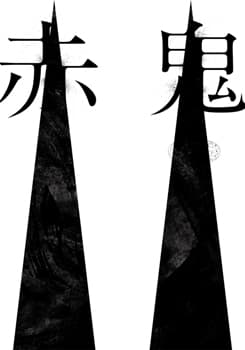
- Aka Oni / Red Demon (赤鬼)
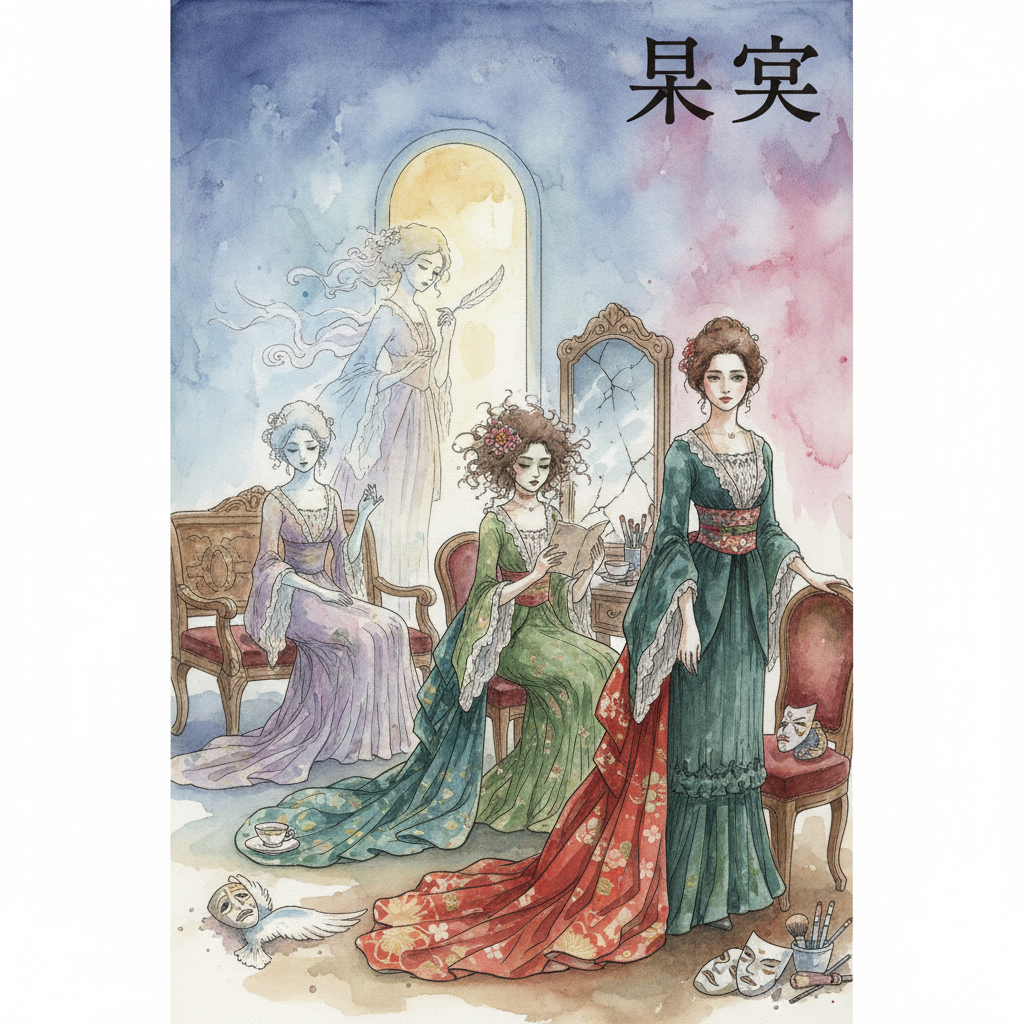
- The Dressing Room (楽屋)
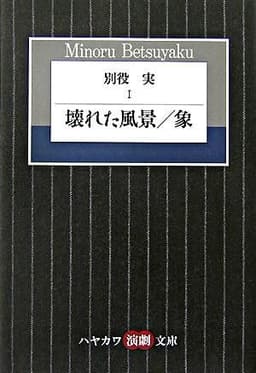
- Zō / The Elephant (象)
- Hampuku Katsu Renzoku / Repetition and Continuation (反復かつ連続)
If you want related English reading on this site, continue with:
Those two guides pair especially well with this article because the main double-header failures are usually ticketing and navigation, not aesthetics.
FAQ
Is a two-show theater day in Tokyo realistic for first-time visitors?
Yes, if one of the shows is short or operationally simple and if the evening venue has easy access. It is unrealistic only when people over-pack the day with unclear ticketing and hard transfers.
What is the easiest first two-show combination?
For most international visitors in 2026, the easiest first combination is one Kabukiza single-act performance plus one evening show at a major venue such as NNTT or Tokyo Metropolitan Theatre.
Should I buy both tickets in advance?
Usually yes. The exception is when you intentionally use a flexible first slot, such as a kabuki single act or Shiki same-day availability, while keeping the evening fixed.
How much gap do I really need between shows?
Treat 90 minutes as the minimum and 2 hours or more as healthier when districts change or physical ticket pickup is involved.
Is it better to do matinee + evening in the same venue?
If the programming exists and you genuinely want both events, yes. Same-venue double-header is the least risky version because it removes the hardest variable: Tokyo movement.
Final recommendation
If this is your first attempt, do not chase the cleverest artistic pairing. Chase the cleanest logistics.
Choose one afternoon performance that teaches you something and one evening performance you can arrive at calmly. Tokyo rewards that discipline. When the structure is right, two shows in one day feels expansive. When the structure is wrong, it feels like missing half of both.
Sources
- Kabuki Web, How to Buy Tickets: https://www.kabukiweb.net/about/ticket/
- Kabukiza Theatre information (directions, English services, venue details): https://www.kabukiweb.net/theatres/kabukiza/kabukiza-information/
- Kabukiza single-act ticket page for the August 2026 program: https://www.e-tix.jp/shochiku_makumi/en/
- New National Theatre, Tokyo access page: https://www.nntt.jac.go.jp/english/access/
- New National Theatre, Tokyo tickets page: https://www.nntt.jac.go.jp/english/tickets/
- Shiki Theatre Company English ticket guide: https://www.shiki.jp/en/ticket_guide/
- Tokyo Metropolitan Theatre access page: https://www.geigeki.jp/en/access/
この記事で紹介した戯曲
Written by
戯曲図書館 編集部
演劇経験者が運営する戯曲検索サービス「戯曲図書館」の編集チームです。 脚本選びのノウハウ、演劇業界の最新情報、公演レポートなどを発信しています。
関連記事
Last-Minute Theater Tickets in Tokyo (2026): Best Official Options for International Visitors
A practical 2026 guide to official same-day and last-minute theater tickets in Tokyo, from Kabuki and Shiki to NNTT and TKTS.
2026-09-01
How to Buy Same-Day Theater Tickets in Tokyo (2026 Practical Guide)
A step-by-step 2026 guide for foreign visitors on getting same-day theater tickets in Tokyo, from Kabuki to musicals and drama.
2026-04-28
Rainy-Day Theater in Tokyo (2026): Best Venues, Station Access, and What to Do With Your Umbrella
A practical 2026 guide to Tokyo theater on rainy days, with the best venue choices, station access, lockers, and umbrella strategy.
2026-09-01
How to Book Japanese Theater Tickets from Overseas (2026 Practical Guide)
A practical 2026 guide for international visitors to book Japanese theater tickets before arriving, including Kabuki, Shiki, and NNTT workflows.
2026-05-05